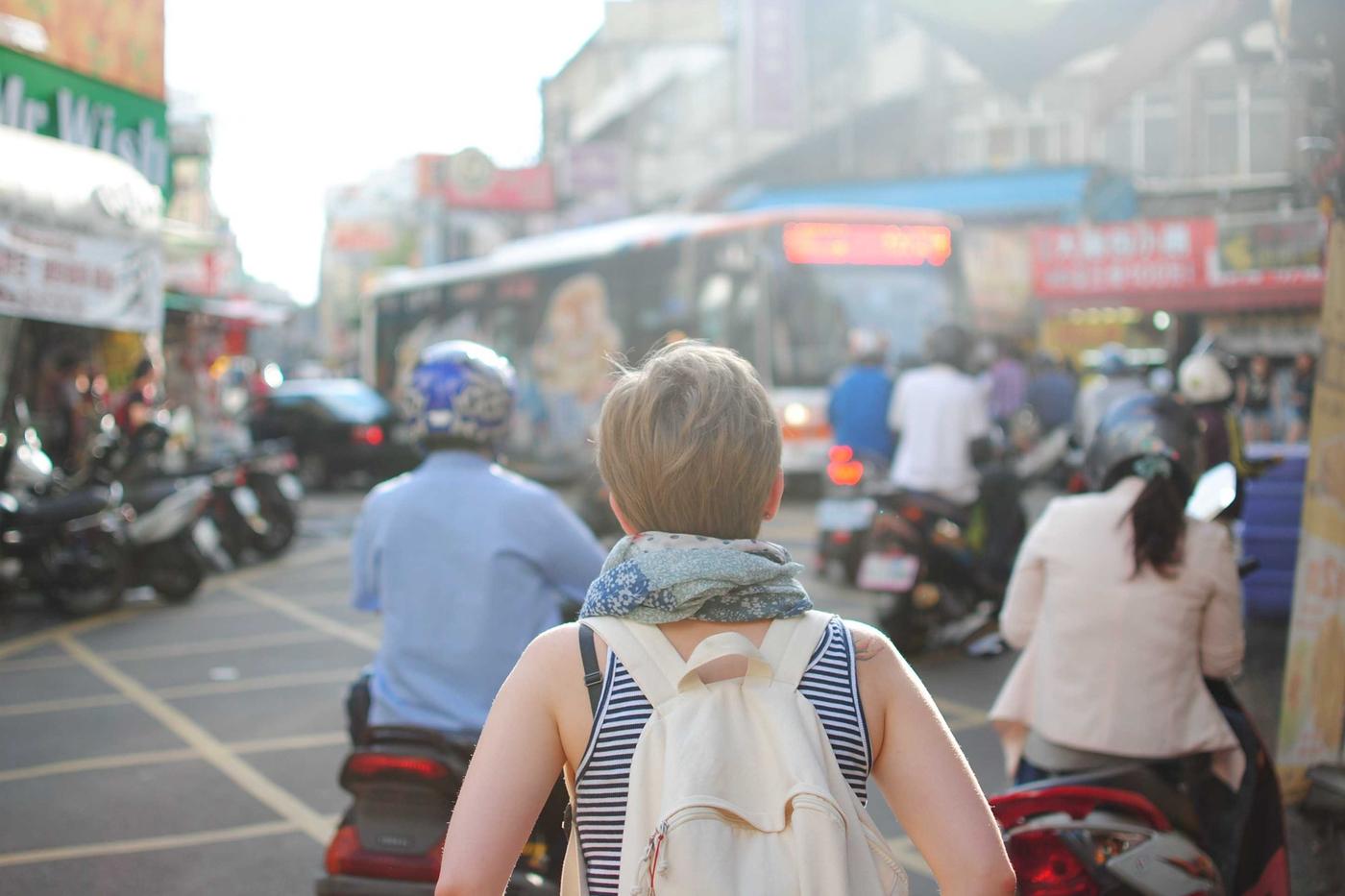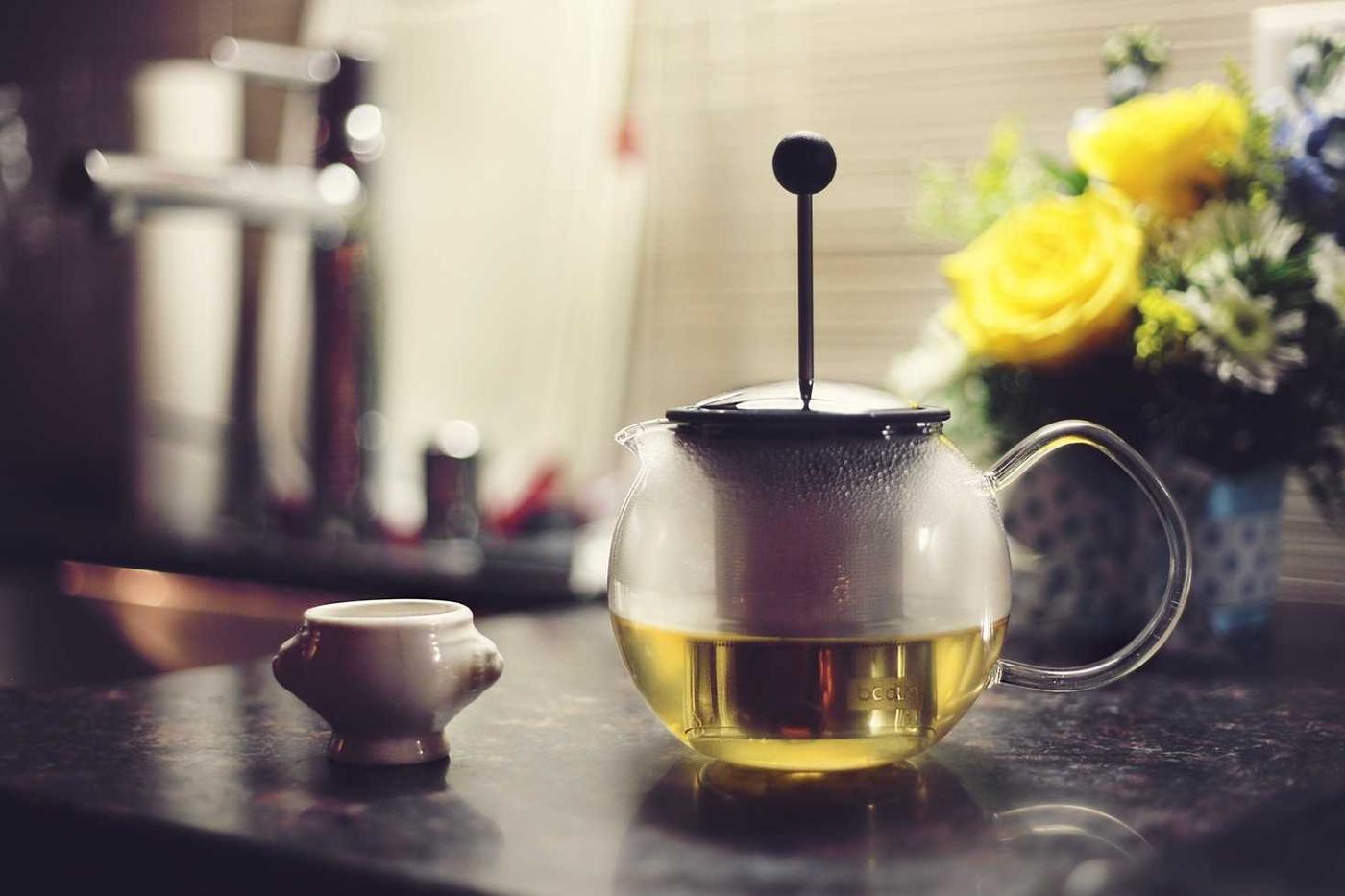
The uncle at the kopi stall does not look up when the tray comes out empty. He sets the next batch on the wire rack, slides two cups across the counter, and the queue moves forward by exactly two bodies. I have watched this enough mornings to know the rhythm: tray out, two orders, tray out, two orders, until the rack holds nothing but wet rings and the chalkboard gets turned to CLOSED before most people have finished their first pour.
Chinatown Complex opens early — earlier than my alarm prefers — and by the time I arrive on foot from Jalan Kukoh, the coffeeshop already has a line that bends toward the drink stall. The floor tiles are the pale kind that show every footprint. Ceiling fans turn slow and patient. Someone's radio plays old songs at a volume that does not compete with the kettles.
I order the same thing each time: kopi, soft-boiled eggs, toast with kaya. The cup arrives hot enough to fog the saucer. I take the table by the window when I can — the one where a bar of morning light crosses the formica at about seven fifteen, before the sun climbs high enough to leave the grille stripe on the wall instead. That bar moves. I have sat in it often enough to know where it ends by seven forty.
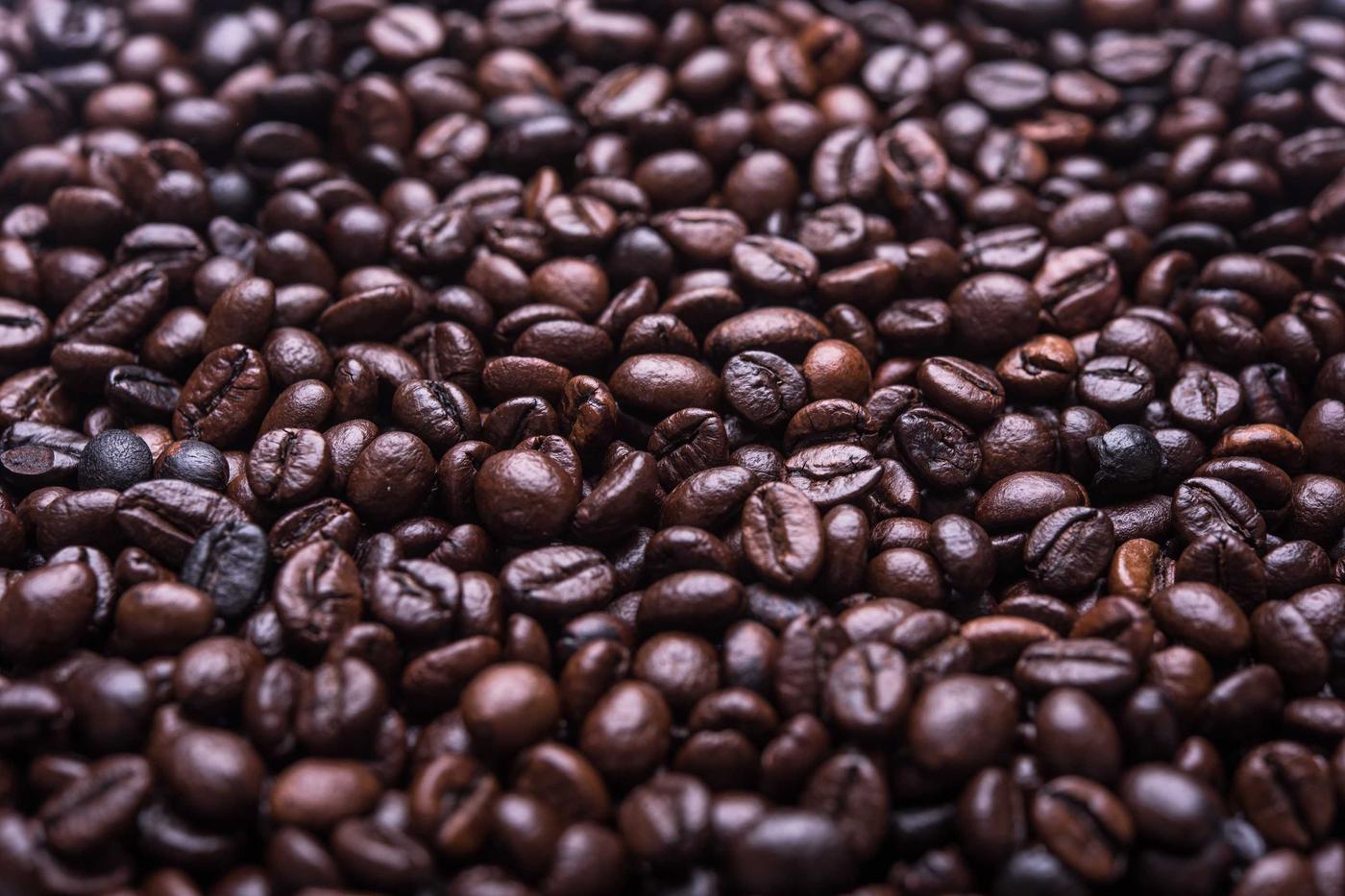
What interests me is not the taste alone, though the kopi is dark enough to hold a spoon briefly and smooth enough to drink without sugar on most days. What interests me is the light bar and the queue sharing the same clock. Every morning the stall runs busy before the window stripe narrows — I know because I have looked up from a too-late seat and found the bar already gone, replaced by the broader wash of mid-morning. The same people seem to know. They arrive before me. They leave with cups while I am still in the queue watching the rack empty.
There is an auntie two places ahead of me who always orders for three — two cups for the table, one wrapped in paper for someone who is not here yet. A man in office shirt reads his phone without scrolling, the way people do when they are waiting for something they expect. A secondary-school boy counts coins from a wallet that looks too old to belong to him. Nobody speaks much. The stall has its own pace and the queue learns it.
I asked the uncle once, during a rare slow minute, whether he ever makes more before closing. He shrugged — not dismissive, just factual. "Enough for morning," he said, and went back to the kettle. I took that as an answer and stopped asking. Some limits are part of the thing itself. The kopi is good partly because there is only so much of it, and the people who know arrive early, and the rest of us learn or we do not.
Last week I set my alarm twenty minutes earlier and made it to the window table before the light bar narrowed. The kopi tasted the same. The eggs were the same. What changed was my place in the rhythm — I was inside the stripe instead of watching it from the back of the queue. I sat near the pillar where the fan does not reach and drank slowly, which is not my habit. The cup left a ring on the saucer where glare dried. I looked at it longer than necessary.
I will miss this table someday — when I move, or when the uncle retires, or when the centre renovates and nothing sits in the same place. For now I have both versions: the mornings I make the seven-fifteen bar, and the mornings I arrive to a turned chalkboard and buy chee cheong fun from the next stall instead, which is fine but not the same. The coffeeshop taught me something about showing up before the light moves on. I am still learning what that means outside a food centre.